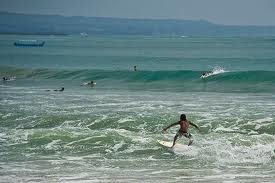
There is no single “best” beach in Bali — it depends on what kind of day you want. Kuta suits surfers and sunset crowds, Nusa Dua and Jimbaran are best for calm water and honeymoon-style relaxation, Sanur is the easiest for families and slow-paced travelers, and Lovina in the north is the place for dolphin-watching and black volcanic sand. Below, we walk through all five so you can pick the right one for your Bali itinerary.
A Quick Comparison of Bali’s Top 5 Beaches
Here’s a fast overview before we go into detail on each beach.
| Beach | Location | Distance from Airport | Best For |
|---|---|---|---|
| Kuta | South Bali | ~10 minutes | Surfing, nightlife, sunset walks |
| Nusa Dua | South Bali | ~20-30 minutes | Honeymooners, resort-style relaxation, water sports |
| Sanur | East Denpasar | ~30-40 minutes | Families, slow-pace and comfort travelers |
| Jimbaran | South Bali | ~15-20 minutes | Sunset dinners, fresh seafood |
| Lovina | North Bali | ~2.5-3 hours | Dolphin watching, black sand, snorkeling |
Kuta Beach
Kuta is Bali’s most famous stretch of sand, and for good reason — it’s close to the airport, wide open, and has enough energy to fill a whole day. The waves here are consistent, which is why it’s still one of the island’s most popular beaches for beginner and intermediate surfers.
The water at Kuta has a noticeable shore break and can get choppy, so it’s less suited to small children or anyone wanting a calm swim. What it does offer is atmosphere: surf schools lining the sand, beachfront bars, and one of the most reliable sunset views in South Bali. Late afternoon is the best time to visit, both for the light and the slightly cooler air.
Because Kuta sits so close to Ngurah Rai Airport, it’s often the first or last stop on a Bali trip. If you’re arriving late or flying out early, a private driver can make this transition far less stressful than juggling taxis — something we cover more on our private transfer page.
Nusa Dua Beach
Nusa Dua feels like a different island compared to Kuta. It’s a planned resort enclave with a long, protected bay, and the water here is noticeably calmer thanks to an offshore reef that breaks up the swell. This makes it one of the better beaches in Bali for swimming rather than surfing.
The beach is clean, well maintained, and lined with five-star resorts, which is part of why it’s such a popular choice for honeymooners and couples wanting a quieter, more polished setting. Mornings are lovely for a walk along the shore before the day heats up.
If you want more activity, the neighboring area is one of Bali’s main hubs for water sports — parasailing, jet skiing, and banana boats are all easy to arrange nearby, which we detail on our Tanjung Benoa water sports tour page.
Sanur Beach
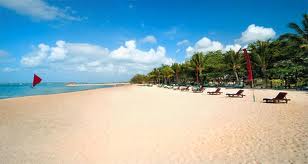
Sanur is often the beach we recommend to families and to travelers who simply want a slower, easier pace. The water is shallow and calm for a long stretch, protected by an outer reef, so it rarely feels intimidating even for young kids or nervous swimmers.
A paved beachfront path runs almost the entire length of Sanur, popular for early morning walks, jogging, or cycling before breakfast. Unlike Kuta, Sanur wakes up early and winds down early — it suits travelers who’d rather watch a sunrise over coffee than chase nightlife.
This unhurried, comfortable rhythm is exactly what we mean when we talk about mindful travel in Bali. If that sounds like your pace, our comfort travel approach page explains how we plan days around it rather than around a fixed checklist.
Jimbaran Beach
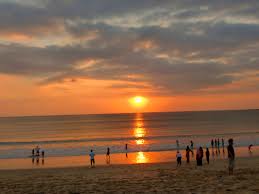
Jimbaran is best known for one thing above all else: sunset seafood dinners on the sand. As the sun drops, dozens of beachfront warungs set up tables right at the waterline, grilling fresh fish, prawns, and lobster while live acoustic music plays nearby.
During the day, Jimbaran is a quieter, more residential beach with soft sand and gentle waves — a pleasant stop for a relaxed walk, though it’s really the evening that draws people here. Fishing boats still line parts of the shore, a reminder that this is also a working fishing village.
Jimbaran pairs naturally with two of our most popular evening itineraries: a Uluwatu Kecak dance and Jimbaran seafood dinner tour, or a full sunset day trip that includes a stop at Tanah Lot before dinner on the beach.
Lovina Beach
Lovina sits on Bali’s north coast, roughly a two-and-a-half to three-hour drive from the airport, and it feels like a completely different Bali — quieter, greener, and far less crowded than the south. The sand here is black and volcanic rather than white or golden, a result of the island’s volcanic geology.
Lovina’s biggest draw is its wild dolphin population. Boats head out at sunrise, when pods of dolphins are most active close to shore, making it one of the few places in Bali where you can realistically see them in their natural habitat. The calmer northern waters are also good for snorkeling, and a nearby waterfall makes a nice add-on for the day.
Because of the distance, Lovina works best as an overnight trip or a full day out from South Bali. Our Lovina sunrise dolphin and waterfall tour covers the early departure and route in detail.
How to Choose the Right Beach for You
The “best” beach really comes down to who’s traveling and what kind of day you’re after.
For Surfers
Kuta remains the easiest choice, with consistent beginner-friendly waves and plenty of board rentals and instructors right on the sand.
For Families
Sanur’s shallow, reef-protected water and flat beachfront path make it the most practical option for parents traveling with young children.
For Honeymooners
Nusa Dua’s calm bay and resort setting suit couples wanting a polished, quiet stretch of sand, while Jimbaran offers a more romantic evening with sunset dinners.
For Slow-Pace and Comfort Travelers
If your priority is an unhurried day without crowds or pressure, Sanur in the south or Lovina in the north both fit well — especially with a private driver who can set the pace around you rather than a fixed group schedule. You can browse more destination breakdowns like this one in our Bali destination guides.
Best Time of Year to Visit Bali’s Beaches
Bali’s dry season, roughly April through October, is generally the most comfortable stretch for beach days — less rain, calmer seas on most coasts, and better visibility for snorkeling. The wet season (November to March) still has plenty of sunny mornings, but afternoon downpours are more common, and swells on some coastlines can pick up.
Within the dry season, July and August tend to be the busiest months on beaches like Kuta and Seminyak, so if you prefer fewer crowds, the shoulder months of April, May, June, or September are often a better balance of good weather and quieter sand.
Beach Safety and Practical Tips
A few practical habits make any Bali beach day go more smoothly, regardless of which one you choose.
- Check flag warnings and currents. South-facing beaches like Kuta can have strong rip currents, especially outside designated swimming areas patrolled by lifeguards. Swim where flags indicate it’s safe, and ask locally if you’re unsure.
- Sun protection matters more than it seems. Bali sits close to the equator, so UV exposure is strong even on cloudy days. Reef-safe sunscreen, a hat, and reapplication every couple of hours go a long way.
- Respect beachside temples and offerings. Small shrines and offerings appear on several beaches, particularly near Tanah Lot and parts of Uluwatu. Step around them rather than over them, and avoid climbing on temple structures for photos.
- Bring cash for warungs and parking. Many beachfront warungs and local parking areas are still cash-based, so it’s worth carrying small denominations.
None of this needs to complicate your day — it’s mostly common sense that becomes automatic after your first beach visit. If you’d rather not think about logistics at all, a private driver who already knows the current conditions at each beach can handle these details for you.
Frequently Asked Questions
Which is the best beach in Bali overall?
It depends on your priorities — Kuta for surfing and energy, Nusa Dua for calm water and honeymoons, Sanur for families and slow travel, Jimbaran for sunset dinners, and Lovina for dolphins and black sand. Most travelers end up visiting more than one during their trip.
Which Bali beach is closest to the airport?
Kuta is the closest, only about ten minutes from Ngurah Rai Airport, making it a convenient first or last stop on a trip.
Is Sanur or Nusa Dua better for families with young kids?
Both have calm, reef-protected water, but Sanur’s long paved beachfront path and slower pace often make it slightly easier to manage with young children.
How far is Lovina from South Bali?
Lovina is roughly two-and-a-half to three hours by road from the airport or South Bali resort areas, so it’s best planned as a full day trip or overnight stay.
Can I visit more than one beach in a day?
Nearby beaches like Kuta, Jimbaran, and Nusa Dua can realistically be combined in one day with a private driver, though Lovina in the north needs its own dedicated day due to the distance.
Do I need a car or driver to get between Bali’s beaches?
Public transport along the coast is limited, so most visitors rely on a private driver or rental scooter/car; a driver is generally the more relaxed and reliable option, especially with luggage or children.
Not sure which beach fits your trip best? Message us on WhatsApp and we’ll help you plan a route that matches your pace, whether that’s chasing surf in Kuta or a quiet morning in Sanur. You can also read more about how we work on our about page.